
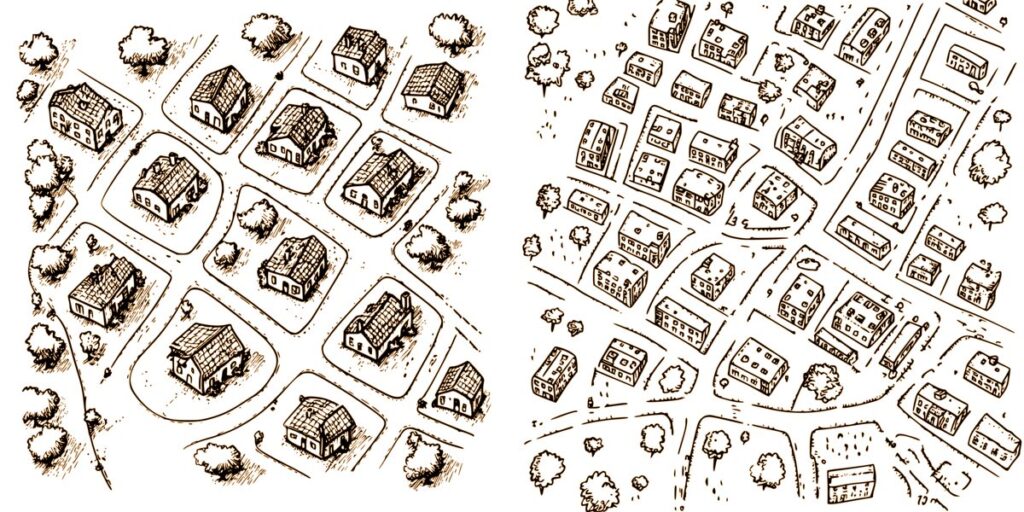
Nestled in the northern reaches of Paramus, the Spring Valley neighborhood has quietly thrived as one of the borough’s most cherished and enduring communities. Though less bustling than Paramus’s famous retail corridors, Spring Valley boasts a unique story shaped by centuries of subtle transformation. From its earliest days as farmland shaped by thriving natural springs, to today’s close-knit residential enclave, Spring Valley embodies the enduring spirit of Paramus—a place where history and progress walk hand in hand.
Origins: From Farmland and Forests to Community Roots
The origins of the Spring Valley neighborhood reach back to the colonial era, long before Paramus itself was officially incorporated in 1922. Much of what became Spring Valley was once part of the vast, rolling lands stewarded by Dutch settlers and Lenape natives for centuries. These fertile grounds, crisscrossed by streams and dotted with bubbling springs, drew homesteaders seeking farmland and fresh water. Early properties were often measured not in acres alone, but by proximity to these freshwater springs—an invaluable resource in the 18th and 19th centuries.
The area’s name, "Spring Valley," describes this natural abundance. The most prominent of these springs flowed near the modern intersection of Spring Valley Road and Pascack Road, its clear waters a gathering spot for both people and livestock. Over time, the valleys carved by small creeks feeding the Saddle River gave the neighborhood both its name and its enduring foundation.
Naming the Neighborhood: The Story Behind “Spring Valley”
Unlike other parts of Paramus that took their names from prominent families or distant lands, Spring Valley’s identity is grounded in the landscape itself. In oral histories passed down by local families, stories abound of schoolchildren fishing for minnows in the spring-fed streams and of the gentle hum of waterwheels powering small mills. By the late 19th century, local maps depicted the area as “Spring Valley”—an apt moniker for a quiet, water-blessed enclave at the edge of a rapidly changing Bergen County.
Key Historical Milestones
Spring Valley’s story mirrors the broader evolution of Paramus, marked by a blend of rural tradition and suburban promise:
- Establishment of Spring Valley Road: One of Paramus’s oldest thoroughfares, Spring Valley Road was a key connection for farm wagons headed to market in Hackensack and New York, winding past fieldstone homes and apple orchards.
- The Arrival of the Railroad: While the Erie Railroad’s main station was set south in Ridgewood, the proximity meant that dairy farms in Spring Valley could reach more distant markets, spurring modest local prosperity.
- A Growing Community in the 20th Century: Post-World War II saw significant change as farmland gave way to tidy residential streets such as Maywood Avenue, Highland Avenue, and century-old trees that still grace the area today. The opening of nearby public institutions like Paramus High School and the Spring Valley Fire Company #3 became neighborhood anchors.
- The Preservation of Green Spaces: The mid-20th century saw Paramus’s explosive commercial growth, but Spring Valley’s parks and wooded lots remained protected, providing a sanctuary from the bustle of Route 17 and the Garden State Parkway.
Notable Landmarks and Institutions
Spring Valley is home to some of Paramus’s most heartfelt local treasures—places where history and community intersect.
- Spring Valley Fire Company #3: Located at 432 Spring Valley Road, this volunteer firehouse has been a neighborhood institution since 1926. It’s more than a hub for safety; it’s where annual pancake breakfasts, open houses, and block parties create lasting community bonds.
- Spring Valley Park: Tucked between Spring Valley Road and Highland Avenue, this lush park remains a green refuge for residents, echoing the natural beauty that gave the area its name. Majestic oaks and a modest playground hint at the area’s rural past.
- Historic Homesteads: Several homes along Spring Valley Road and neighboring streets date back over a century. Though many have been updated or expanded, their stone foundations and broad porches offer a connection to earlier times.
- Local Schools: Parkway Elementary School on Midland Avenue is just a short walk for many neighborhood children and stands as a symbol of the investment Paramus made in its growing families after WWII.
Evolution Over the Decades
Spring Valley’s transformation from farmland to neighborhood is a story of slow, thoughtful change. While Paramus’s reputation as a retail giant drew waves of new residents in the mid-to-late 20th century, Spring Valley’s quiet streets and historic homes attracted those who sought small-town charm with big-city accessibility. Generations of families have put down roots along Spring Valley’s leafy boulevards, drawn by the area’s sense of tradition and safety.
- In the 1950s and 60s, new homes and split-levels replaced some old farm fields, yet wide lawns and mature trees preserved the area’s open feel.
- Community groups, from scouting troops to gardening clubs, have kept Spring Valley’s spirit alive through annual events and holiday parades.
- In recent decades, Spring Valley has embraced thoughtful redevelopment, updating homes and parks while preserving its green spaces—a rarity in Bergen County’s busy landscape.
A Neighborhood That Welcomes All
Today, Spring Valley is admired for its neighborly spirit and the seamless blend of old and new. Residents recall summertime strolls along Spring Valley Road, autumn leaves in Spring Valley Park, and the welcoming lights of the firehouse during community gatherings. The neighborhood’s tree-lined streets—Maywood Avenue, Highwood Avenue, and more—continue to echo with the laughter of children and the gentle rhythms of suburban life.
Throughout its history, Spring Valley has embodied the best of Paramus: deep roots, welcoming neighbors, and an enduring appreciation for the land and heritage that make this corner of Bergen County so special. Whether you’re tracing the footsteps of early Dutch settlers or enjoying the shade of century-old oaks, a walk through Spring Valley is a journey through time—and a reminder of the quiet strength that shapes this beloved neighborhood.